
Understanding ICT in Education: Why It Matters and How It’s Used
In today’s fast-paced digital world, technology has become an important part of the education system. It plays a huge role in transforming traditional teaching methods into interactive and student-centric learning experiences. ICT full form in education is Information and Communication Technology. ICT refers to the comprehensive, integrated framework of hardware, software, and tools. It covers both modern digital tools and traditional media. From enhancing classroom engagement to improving access to information, ICT has reshaped how knowledge is delivered and understood. From enhancing classroom engagement to improving access to information, ICT has reshaped how knowledge is delivered and understood.
Many schools in India are also adopting this technology. These schools are combining ICT in education to create smart classrooms, encourage digital literacy, and prepare students for a technology-driven future. In this blog, we will understand why ICT in education matters and how it is used to help educators, parents, and students recognize its growing importance.
What is ICT in Education?
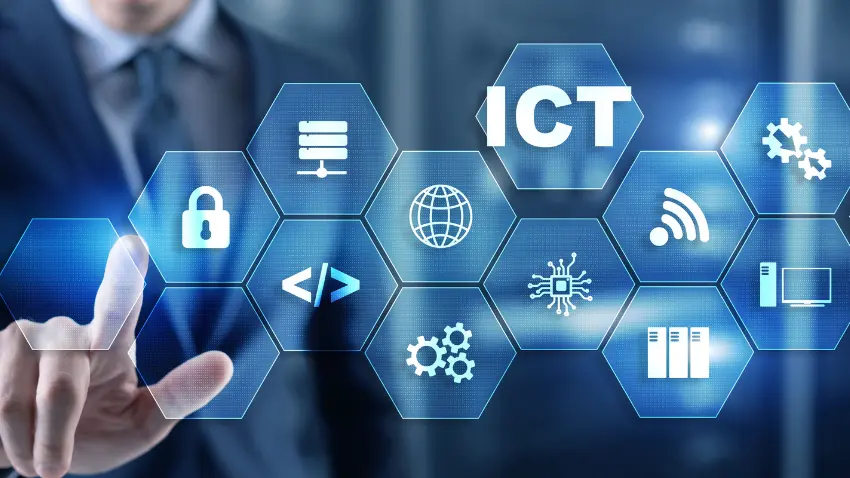
Using digital tools, like computers, the internet, software, and multimedia, to support teaching and learning is called ICT in education. It helps teachers deliver lessons more productively and allows students to access information, interact, and develop digital skills. Today, many institutions, including Schools in Dehradun, are adopting ICT to make learning more engaging and flexible, playing a crucial role in modern education.
Importance of ICT in Education: Why ICT in Education Matters Today?
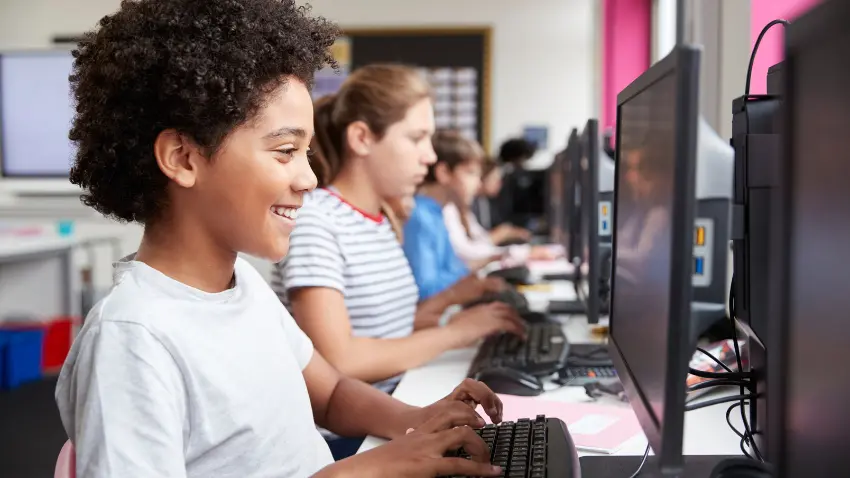
The importance of ICT in education is clearly visible today as it turns traditional, one-size-fits-all learning into an interactive and personalized experience that prepares students for digital worlds. In ICT, students use videos, games, and simulations to understand complex topics, instead of just listening to lectures. Moreover, using ICT helps students develop digital literacy, critical thinking, and problem-solving skills. ICT makes it easy for teachers, parents, and students to stay connected and share progress instantly.
Benefits of ICT in Education
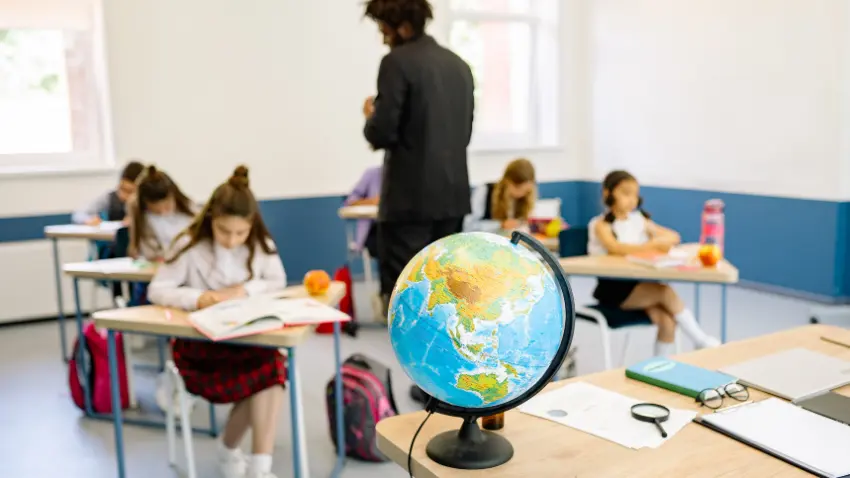
ICT in education plays an important role in transforming the learning experience. It enhances student engagement through digital tools, improves access to educational resources, and develops 21st-century skills. It allows teachers to use interactive and multimedia content to explain difficult topics and ease the administrative tasks. That makes education more efficient and inclusive.
1. Enhance Learning and Engagement
ICT makes learning more interactive and enjoyable by using tools such as smart boards and virtual reality. It helps improve focus and information retention.
2. Improve Access and Flexibility
It breaks down the geographical barriers and provide a access to high-quality education to remote or underserved students. It also helps students to learns at their own speed.
3. Skill Development for Future
ICT helps students with crucial skills for the modern workforce, like digital literacy, critical thinking, problem-solving, and collaboration. These abilities prepare learners to adapt to rapidly changing technologies and succeed in higher education and future workplaces.
4. Personalized Education
These digital tools provide a real-time, customized, and engaging learning experience that allows students to learn at their own speed. It leads to 30% higher learning gains compared to traditional learning methods.
5. Global Collaboration
It allows students and teachers to connect with the world through online platforms, virtual classrooms, and collaborative projects. This interaction promoted cultural exchange.
How ICT is Used in Education?

Many modern schools, like Boarding Schools in Dehradun, Delhi, and other cities in India, use different types of ICT tools to enhance teaching and learning. Key uses include multimedia learning, online collaboration, and improved accessibility. It boosts student engagement and prepares them for a modern and digital workforce.
1. Interactive Learning and content access
ICT in education provides access to diverse materials like simulations, virtual labs, videos, and multimedia content, which make lessons more engaging and interactive. It allows students to explore subjects in real-time and better understand complex topics through a visual and hands-on learning experience.
2. Personalized Learning
It allows students to learn at their own speed and adapt to their learning styles and needs. Through adaptive learning platforms, quizzes, and interactive modules, students can focus on areas where they need improvement. This tailored approach helps improve understanding and overall academic performance.
3. Global Collaboration
ICT in education breaks down geographical boundaries and allows students and teachers to connect with the world. It helps build interaction with peers from different cultures and backgrounds. Through video conferences and collaborative projects, students gain different perspectives, enhance communication skills, and develop teamwork abilities.
4. Administrative Efficiency
ICT tools simplify school management with tools like attendance tracking, grading, and record keeping. This eases administrative operations, reduces the workload for teachers, and allows them to focus on teaching and student support. It makes the overall education process more efficient and organized.
5. Enhance Communication
ICT improves communication among parents, teachers, and students through digital platforms. It allows for quick updates on student progress, homework, and school events, which builds stronger collaboration.
6. Skill Development
ICT provides students with important skills needed for the modern workforce, such as digital literacy, coding, problem-solving, and critical thinking. By engaging with technology tools and collaborative projects, students gain practical experience and develop competencies that make them adaptable, innovative, and career-ready.
Conclusion
ICT has made education more engaging, flexible, and interactive through digital tools. ICT in education improves learning through easy access to global resources, helps develop crucial skills like critical thinking, and simplifies teaching with better tools. It also helps teachers ease the administrative tasks, personalize lessons, and build better communication with students and parents.
Schools across India, like the Schools of Dehradun, are increasingly integrating ICT to create smart classrooms, promote digital literacy, and prepare students for future academic and career challenges. Adopting ICT is no longer optional; it is an important step toward building a modern, inclusive, and future-ready education system.
Also Read – The Power of Jigsaw Puzzles in Child Development: A Guide for Parents and Schools