
Explore National Symbols of India for Kids: Fun & Easy Guide
National symbols of India are a demonstration of the country’s rich heritage, nature, and culture. Some of the important national symbols include the Tiranga flag (National Flag), the majestic Royal Bengal Tiger (National Animal), and the Lotus flower (National Flower). These symbols are created to help children learn about India’s identity, national pride, wildlife conservation, and unity.
Students can easily understand the country’s identity in a simple and visual way through national symbols. Each of these symbols represents values like unity, freedom, culture, and natural heritage. Several schools, such as schools in Dehradun, often emphasize teaching these symbols to kids to build awareness about the nation’s history, environment, and responsibilities in an easy and meaningful manner. Let’s take a closer look at what these national symbols of India are, why they are important, and their role.
- 1. National Flag (Tiranga)
- 2. National Animal (Royal Bengal Tiger)
- 3. National Bird (Indian Peacock)
- 4. National Flower (Lotus)
- 5. National Tree (Banyan Tree)
- 6. National Fruit (Mango)
- 7. National River (Ganga)
- 8. National Emblem (Lion Capital of Ashoka)
- 9. National Anthem (Jana Gana Mana)
- 10. Vande Mataram (National Song)
- 11. National Calendar (Saka Calendar)
- 12. National Game (Hockey)
- 13. National Aquatic Animal (Ganges River Dolphin)
- 14. National Reptile (King Cobra)
- 15. National Heritage Animal (Elephant)
- 16. National Currency Symbol (₹ Rupee)
- 17. National Vegetable (Pumpkin)
What are the National Symbols in India?
National symbols of India are like official representations that are chosen by the government to reflect the nation’s culture, values, history, and natural diversity. These symbols ensure that children understand and connect well with national identity. Some of the symbols are related to animals, birds, flags, and monuments that depict unity, pride, and India’s rich heritage.
Importance of National Symbols in India
National symbols play a major role in teaching kids about values, culture, and national identity in an easy, fun, and visual way. Many boarding schools in India prefer to teach children about these symbols at an early age to help them connect with the nation. Here is why these are important:
- These symbols provide a feeling of patriotism in children and connect them with history, culture, and freedom.
- Many children in schools in Dehradun often recognize diversity through these symbols that represent animals, plants, and monuments.
- The national symbols of India help to create awareness about wildlife conservation among children as they highlight endangered species like the tiger and peacock.
- Students get to respect national identity aspects like flags, emblems, and symbols.
- These symbols are a fun and good way to support interactive learning for children in boarding schools in Dehradun.
Top National Symbols in India
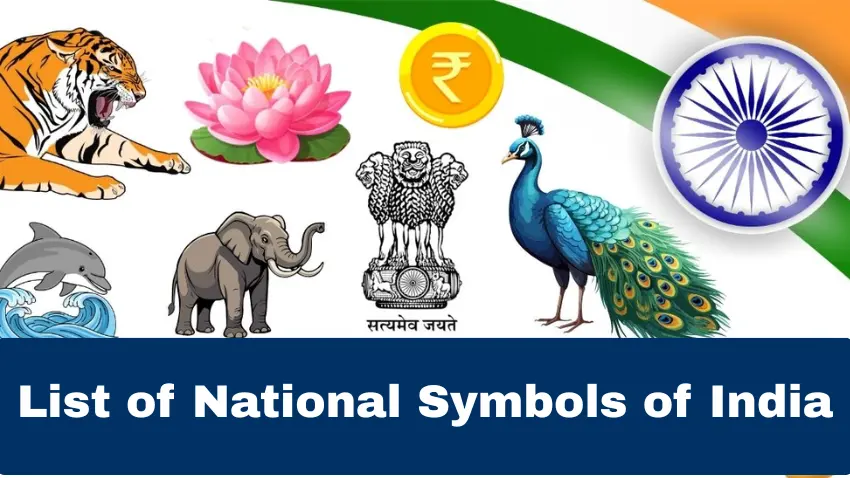
India has an official list of its several national symbols that represent its identity, culture, and natural wealth. Here is a complete list of the national symbols of India:
| Category | Symbol | Significance | Year Adopted |
| National Flag | Tiranga | Unity and freedom | 1947 |
| National Animal | Royal Bengal Tiger | Strength and wildlife conservation | 1973 |
| National Bird | Indian Peacock | Beauty and grace | 1963 |
| National Flower | Lotus | Purity and spirituality | 1950 |
| National Tree | Banyan Tree | Longevity and stability | 1950 |
| National Fruit | Mango | National favorite fruit | 1950 |
| National River | Ganga | Sacred and cultural lifeline | 2008 |
| National Emblem | Lion Capital of Ashoka | Power and governance | 1950 |
| National Anthem | Jana Gana Mana | Unity of the nation | 1950 |
| National Song | Vande Mataram | Freedom and struggle inspiration | 1950 |
| National Calendar | Saka Calendar | Official civil calendar | 1957 |
| National Game | Hockey | Sporting heritage | 1928 |
| National Aquatic Animal | Ganges River Dolphin | River ecosystem protection | 2009 |
| National Reptile | King Cobra | Biodiversity symbol | 1972 |
| National Heritage Animal | Elephant | Cultural importance | 2010 |
| National Currency Symbol | ₹ Rupee | Economic identity | 2010 |
| National Vegetable | Pumpkin | Common Indian crop | 2010 |
Detailed Overview of National Symbols in India
The list below of national symbols in India is often taught to students in several schools in Dehradun. These reflect nature, culture, and history in the best way possible. Let’s understand each national symbol in detail:
1. National Flag (Tiranga)
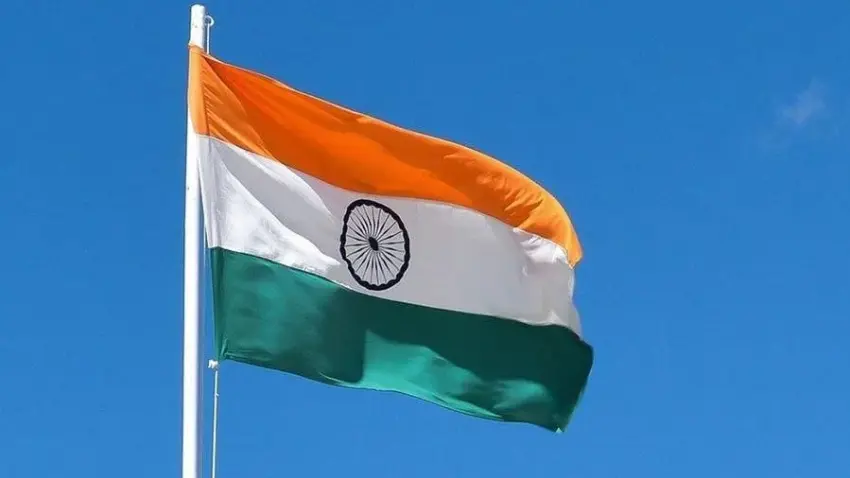
The National Flag of India is known as Tiranga. Tiranga has three colors: saffron, white, and green, with the Ashoka Chakra in the middle. These colors represent courage, peace, and the growth of the country. Moreover, there are 24 spokes in the Ashoka Chakra, which further represent time and progress. Our flag is a symbol of unity and independence, which is recognized across enture national in all official events, ceremonies, and institutions.
2. National Animal (Royal Bengal Tiger)
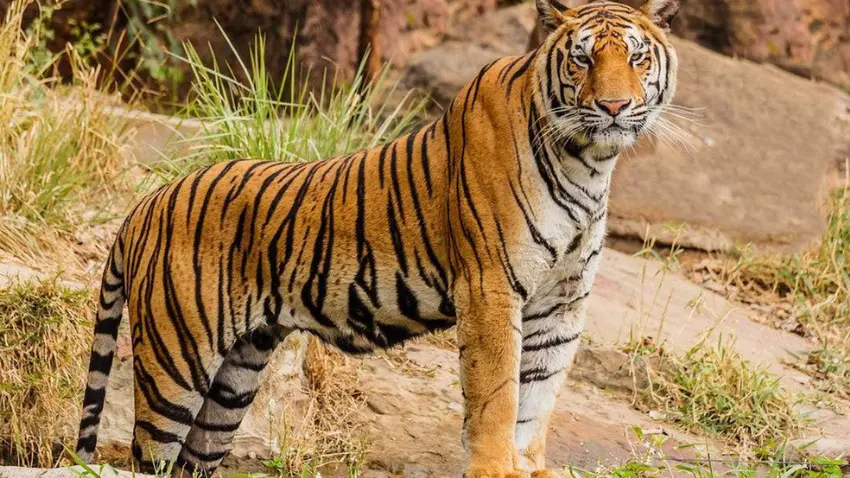
In 1973, the Royal Bengal Tiger was chosen as the national animal because of its strength, power, and pride. This animal is primarily found in forests in India. Royal Bengal Tiger, as the national animal, also represents conservation efforts under Project Tiger. Therefore, this animal is a true representation of India’s rich biodiversity. Moreover, it helps citizens to recall the protection of endangered wildlife across national parks and reserves.
3. National Bird (Indian Peacock)
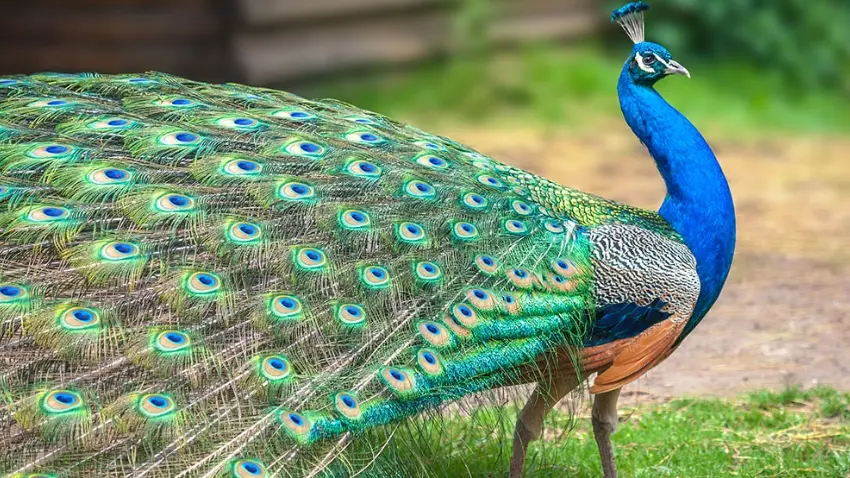
A peacock is one of the most beautiful creatures on Earth. It is known for its stunning features and dancing style. This bird is chosen as the national bird because of its grace, beauty, and pride in Indian culture. You can spot peacocks in forests and villages. Moreover, this bird also has a huge connection with nature, festivals, and traditional art forms.
4. National Flower (Lotus)
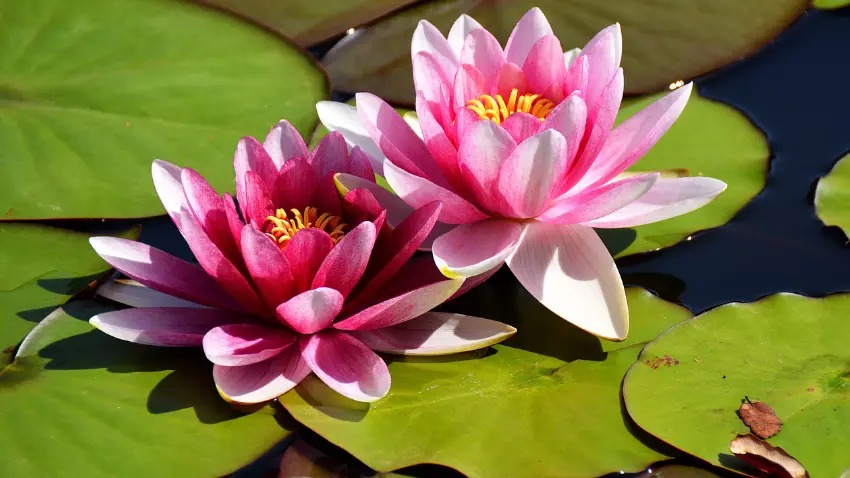
The national flower of India is the Lotus. This flower grows in mud but remains clean and beautiful throughout. Therefore, this is the reason it was chosen as the national flower for its purity, spiritual growth, and resilience. Moreover, in many indian temples, the lotus is offered and seen as a cultural art. This flower also symbolizes Indian philosophy, which is that both beauty and strength can exist even in difficult circumstances of life.
5. National Tree (Banyan Tree)

The Banyan tree is famous because of its size and longevity. It provides shade and shelter for both people and animals. It means stability, wisdom, and strength. In villages, it is often used as a meeting place and is symbolic of India’s deep cultural and social traditions.
6. National Fruit (Mango)
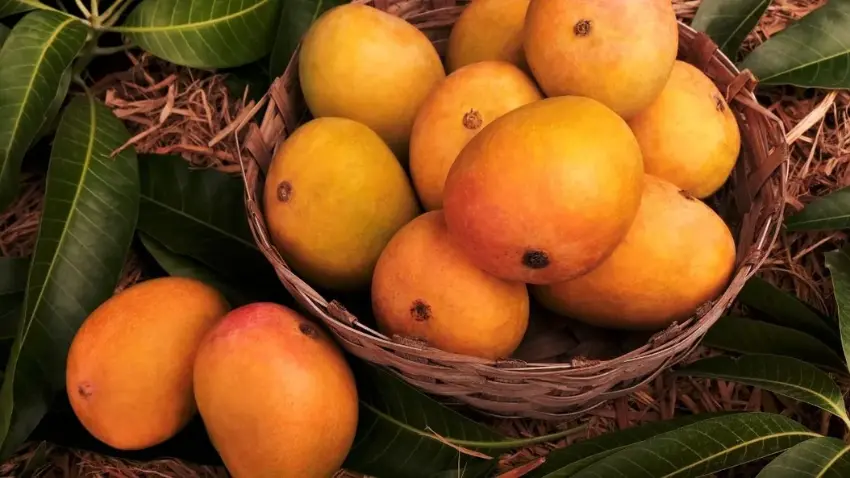
In India, the mango is called the king of fruits. People love it for its sweet flavor and availability in a specific season. It’s a symbol of happiness, abundance, and prosperity. India grows many kinds of mangoes, and they are an important part of festivals, food culture, and rural farming.
7. National River (Ganga)

The Ganga River is held sacred in India. Millions of people depend on it for drinking water, for farming, and for daily life. It is the symbol of purity, spirituality, and life. It is one of the most important rivers in Indian culture, as many religious rituals are performed on its banks. Thus, such factors made the Ganga River a national river in India.
8. National Emblem (Lion Capital of Ashoka)
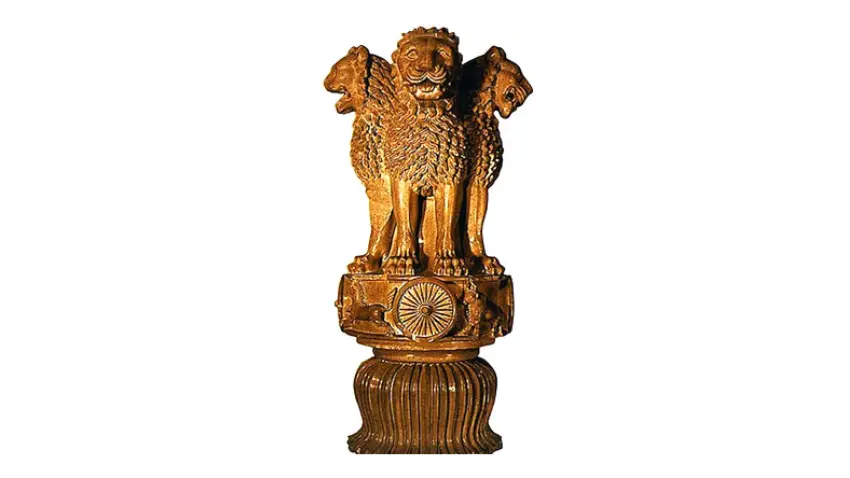
The Lion Capital has four lions standing back to back, showing power and confidence. This is inspired by the Ashoka Pillar at Sarnath. It is a symbol of government authority and national integrity. It is used in official documents, currency, and identity symbols of the Government of India.
9. National Anthem (Jana Gana Mana)
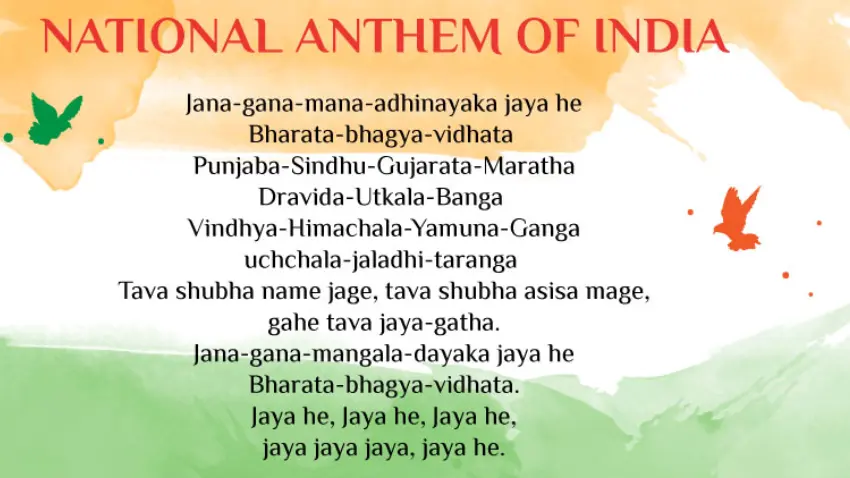
Rabindranath Tagore wrote Jana Gana Mana as the national anthem of India. It’s a symbol of unity and respect for the country. It is sung in all the schools in India, including boarding schools in Dehradun, in events, and in celebrations all over the country. It brings to light India’s diversity and unity, bringing people together with a common sense of pride and patriotism.



10. Vande Mataram (National Song)

Vande Mataram is the composition of Bankim Chandra Chatterjee. It is one of the significant national symbols of India. Moreover, it had a big role in the freedom movement of India. It expresses love for the homeland and provides a patriotic feeling. It is still sung in national events to remind the citizens of India’s fight for independence and unity.
11. National Calendar (Saka Calendar)
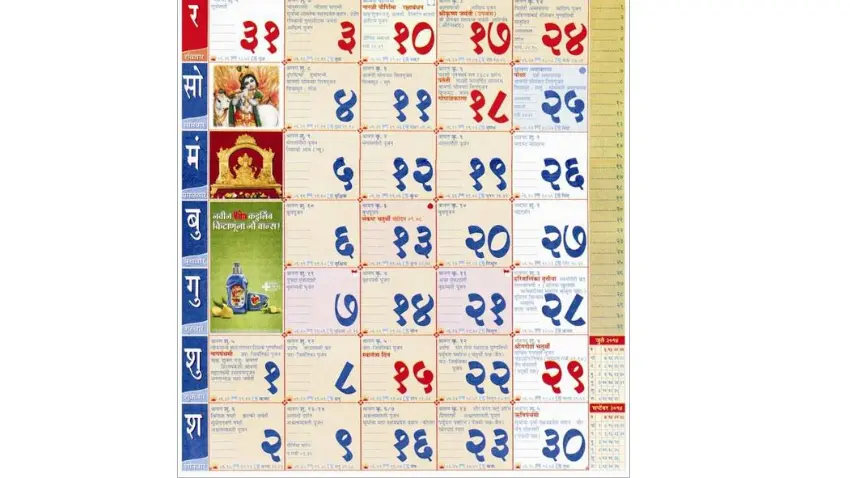
The Saka Calendar is the official calendar of India used in connection with the Gregorian calendar. It has utility in government documentation and official communication. It is based on the calculation systems of historical Indian time. It ensures uniformity in the national dates and cultural events. Schools in Dehradun often teach students about this particular calendar, which many of them are not aware of.
12. National Game (Hockey)

Hockey is the national game of India because of its past Olympic glory. India has won a lot of gold medals in hockey. It stands for teamwork, discipline, and sporting excellence. The game is still played in schools and at national-level competitions throughout the country.
13. National Aquatic Animal (Ganges River Dolphin)

The Ganges River Dolphin, found in the Ganga River, is the national aquatic animal of India. It is an indicator of river ecosystem health and biodiversity. It is an endangered species and needs to be protected. It is a symbol of clean rivers and efforts to conserve India’s freshwater ecosystems.
14. National Reptile (King Cobra)

The King Cobra is the longest poisonous snake in the world. As one of the significant parts of the national symbols of India, the King Cobra is a depiction of India’s rich reptile biodiversity. It has huge respect in many cultural traditions. It also has a major role in maintaining the ecological balance in the forests.
15. National Heritage Animal (Elephant)
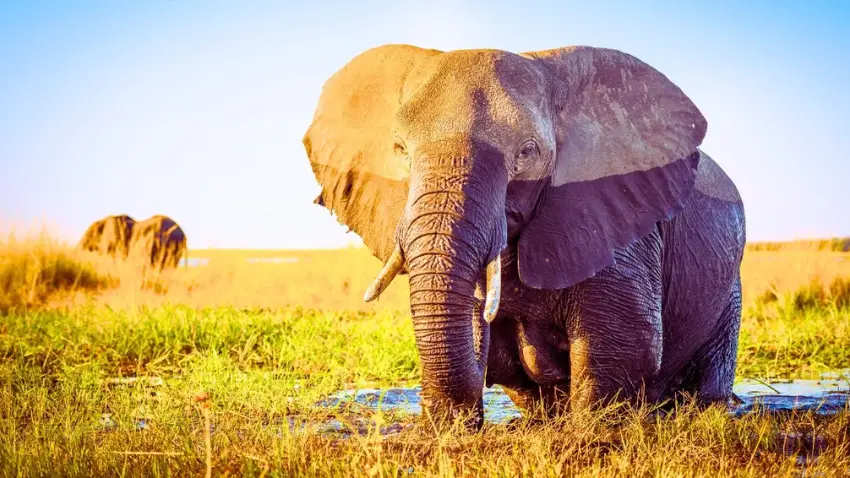
In 2010, the elephant was declared the national heritage animal of India. The elephant symbolizes wisdom, strength, and cultural heritage. Festivals, temples, and traditional events usually have elephants present in their ceremonies. It is also safeguarded through conservation programs. Elephants are integral to forest ecosystems and symbolize India’s historical and cultural heritage.
16. National Currency Symbol (₹ Rupee)

The Indian Rupee (₹) symbol signifies the economic identity of the country. It was designed to showcase Indian heritage and global recognition. It is being used in all financial transactions, banking systems, and official economic records. This is a reflection of India’s growing financial strength.
17. National Vegetable (Pumpkin)

Pumpkin is India’s national vegetable as it is easily available and nutritious. It is used in traditional cookery in all the regions. It represents simplicity, agriculture, and rural food culture, and is an important part of Indian dietary habits. Therefore, this is one of the national symbols of India that people are usually not aware of.
Conclusion
National symbols of India are a true reflection of India’s cultural identity. These symbols help children to understand unity, culture, nature, and Indian history through animals, plants, and other national elements. In addition to that, learning these symbols builds respect for the nation among students and encourages a sense of responsibility towards heritage and the environment.
Therefore, due to such factors, many schools in Dehradun and beyond help students connect with India’s values and traditions in everyday life through these significant national symbols.
Also Read – Top 8 Essential Factors Affecting Learning Process