
Complete Guide to Design-Based Learning in School Education
Design-Based Learning is a “hands-on” learning approach in which real-world problems are solved by students, thus enhancing their thinking, creativity, collaboration, and future success.
Design-Based Learning (DBL) in school education is an active, inquiry-based approach where students solve real-world problems by designing, testing, and improving. It boosts engagement and critical thinking and encourages learners to ask questions, explore possibilities, and apply knowledge across disciplines. It bridges theory and practice by connecting classroom knowledge with authentic applications. Instead of focusing solely on memorization, this approach prioritizes critical thinking, collaboration, and real-world relevance.
Students engage in iterative processes, researching, ideating, and refining, while teachers act as facilitators and mentors. In school education, this approach not only deepens conceptual understanding but also equips students with important skills such as adaptability, communication, and innovation, preparing them for future challenges.
What is Design-Based Learning (DBL)?
Design-Based Learning is an active, inquiry-based pedagogical approach where students learn by designing solutions to real-world problems. It engages students in an active process of inquiry, creativity, and practical application, rather than focusing on lectures and memorization. In DBL, students identify challenges, research, generate ideas, build models, test their solutions, and refine them through feedback. It encourages deeper understanding and continuous improvement.
Why Schools are Adopting DBL?
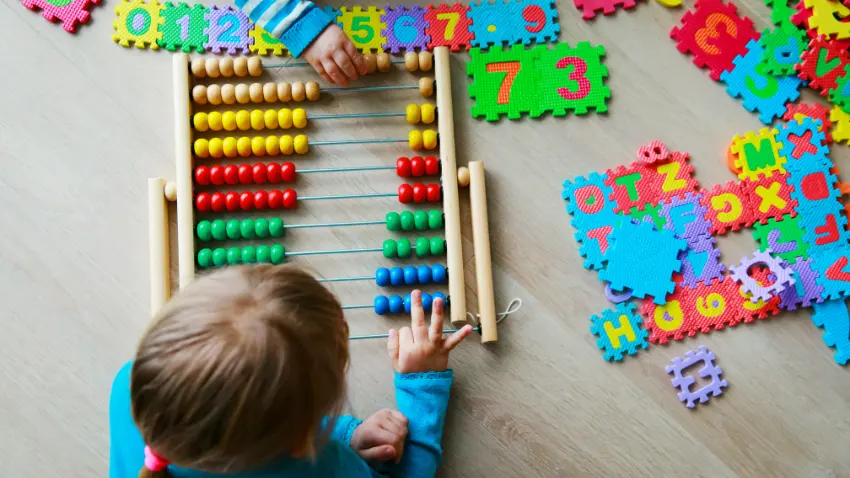
Schools are increasingly adopting Design-Based Learning (DBL) because it prepares students for real-world challenges. It prioritizes active and student-centered learning. Unlike traditional methods that focus on memorization, it encourages learners to think critically, collaborate, and apply knowledge creatively through problem-solving. Moreover, it also boosts students’ engagement, motivation, and confidence. In simple words, it helps bridge subjects that make learning more meaningful and connected to everyday life.
Key Principles and Features of DBL
1. Real-World Problem Solving and Design Thinking
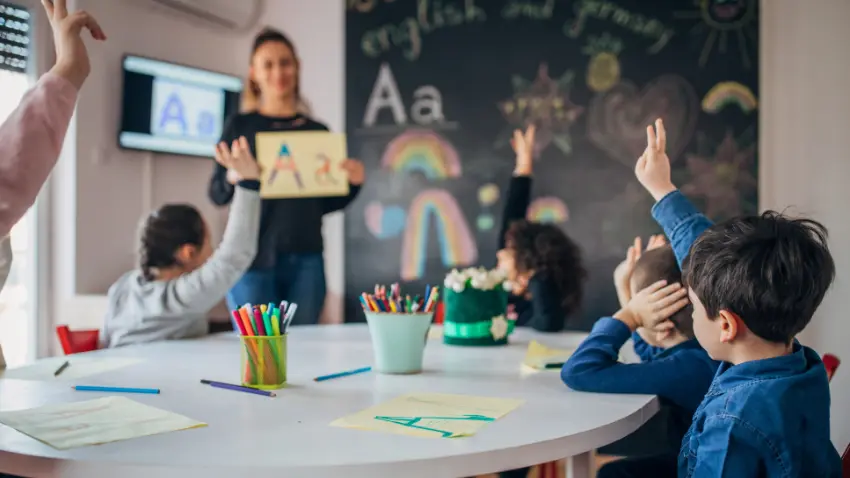
Design-Based Learning helps students tackle real-life problems by identifying challenges, creative solutions, and refining ideas. It develops critical thinking, analytical skills, and practical application of knowledge through an iterative, hands-on design process.
2. Experiential and Hands-In Learning Opportunities
Design-Based Learning in School Education focuses on learning by doing. Students take part in experiments, projects, and other activities, which develop understanding, encourage exploration, and ensure knowledge retention by connecting academic concepts with practical ones.
3. Promoting Creativity, Innovation, and Growth Mindset
Many schools, like Schools of Dehradun, use DBL to develop creativity and innovation. Students are encouraged to explore multiple solutions, experiments, and adopt a growth mindset where challenges and failures are seen as opportunities for learning and improvement.
4. Collaboration, Communication, and Teamwork
Many schools implement Design Based Learning to enhance teamwork and communication skills. Collaborative projects need sharing ideas, assigning tasks, and providing feedback, helping students develop leadership qualities, empathy, and the ability to work effectively in different teams.
Importance of Design-Based Learning in School Education
1. Enhancing Critical Thinking Skills
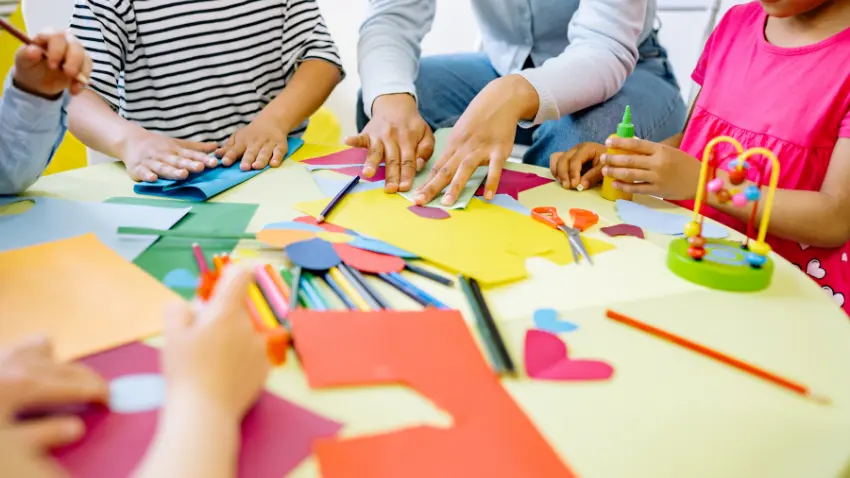
Design-Based Learning in school education strengthens critical thinking by engaging students in problem-solving tasks. Learners analyze situations, evaluate solutions, and make decisions, improving reasoning skills while connecting classroom knowledge to real-life challenges.
2. Fostering Experimentation, Prototyping, and Iteration
Design-Based Learning encourages hands-on experimentation and prototyping. Students test ideas, receive feedback, and improve their solutions iteratively, promoting innovation, resilience, and practical understanding of complex concepts through trial-and-error learning.
3. Encouraging Intedisciplinary Thinking
Many schools, like schools of Dehradun, Delhi, or Pune, use DBL to combine multiple subjects. Students connect knowledge across science, arts, and humanities, which helps develop holistic understanding, creativity, and the ability to approach problems from different perspectives.
4. Preparing Students for Future Challenges
Many Boarding schools in Dehradun and Delhi implement DBL to equip students with important skills for the modern world. These skills include collaboration, adaptability, communication, and problem-solving, which prepare them to grow academically and professionally in a rapidly changing environment.
How is DBL Different from Traditional Learning?
1. Active vs. Passive Learning
Design-Based Learning shifts students from passive listening to active participation. Learners engage directly in projects, problem-solving, and hands-on activities. It makes learning dynamic, interactive, and more meaningful compared to traditional lecture-based teaching methods.
2. Focus on Application vs. Memorization
Design-Based Learning in school education prioritizes applying knowledge to real-world problems rather than rote memorization. Students develop practical skills, critical thinking, and creativity, which ensure that they gain knowledge through experience instead of relying solely on textbooks.
3. Alignment With Modern Educational Goals
Many schools of Dehradun adopt Design Based Learning because it aligns with 21st-century educational objectives. By building collaboration, innovation, and problem-solving, students gain skills important for higher education and future careers.
4. Optional Addition
Many boarding schools, like Boarding Schools in Dehradun, are improving their standard curriculum by incorporating hands-on, project-based learning. This approach makes education more engaging and practical, which helps students develop real-world skills while combining academic knowledge with experiential and interactive experiences.
Implementing Design-Based Learning in Schools

1. Curriculum Integration Across Subjects
Design-Based Learning in school education works best when combining subjects. Students connect concepts from science, the arts, and humanities, making learning holistic, relevant, and practical while applying knowledge in real-world contexts.
2. Designing DBL Projects That Align With Objectives
DBL projects should match learning objectives. Thoughtfully planned activities ensure students gain both academic knowledge and essential skills like creativity, problem-solving, and collaboration.
3. Teacher Training and Professional Development
Many schools provide DBL-focused training to teachers. Through this, educators learn facilitation techniques, project management, and assessment methods to guide students.
4. Creative Supportive and Creative Classrooms
Many schools build classrooms that encourage experimentation and innovation. Flexible spaces, collaborative seating, and access to resources create an environment where students feel free to explore, test ideas, and learn actively.
Benefits for DBL for Students and Teachers
1. Academic Growth and Deeper Learning
Design-Based Learning in school education promotes a deeper understanding of concepts. Students actively take part in projects, apply knowledge, and connect theory to practice, which improves problem-solving skills and overall academic performance.
2. Social and Emotional Development
Many schools use DBL to improve collaboration, empathy, and communication. Working in teams and solving challenges boosts confidence, understanding, and interpersonal skills.
3. Teacher Satisfaction and Creative Innovation
Many boarding schools, like boarding schools in Dehradun benefits teachers by building innovation in teaching methods. Educators enjoy guiding hands-on projects, experimenting with creative strategies, and seeing students actively learn, resulting in higher job satisfaction.
Role of Parents and School Community
1. Parental Support in Home Learning
Design-Based Learning in school education is strengthened when parents actively support learning at home. Their guidance, encouragement, and involvement in projects help students apply classroom knowledge, develop skills, and develop critical thinking and problem-solving.
2. Community Partnerships for Authentic Projects
Many schools of Dehradun collaborate with local organizations and communities. These partnerships provide real-life challenges for students, practical learning, and social responsibility while bridging classroom activities with societal needs.
3. Global Perspectives on DBL Adoption
Boarding schools in Dehradun look to global trends in DBL for inspiration. Studying international practices helps adopt innovative strategies and improve student engagement. It prepares them for worldwide challenges and opportunities in education and careers.
Conclusion
Design-Based Learning in school education turns classrooms into engaging and practical learning settings. In this environment, students actively explore, create, and solve real-world problems. DBL prepares learners for academic success and future challenges by building critical thinking, creativity, and collaboration. Moreover, it encourages lifelong learning, innovation, and confidence in both students and teachers.
Schools of Dehradun support DBL by providing practical projects, multi-curricular studies, and trained teachers. They build creativity, collaboration, and real-world problem solving, which offer resources and community partnerships. It helps students develop critical thinking, innovation, and important 21st-century skills.
Also Read – Complete Guide to Choosing the Best Sports School for Your Child