
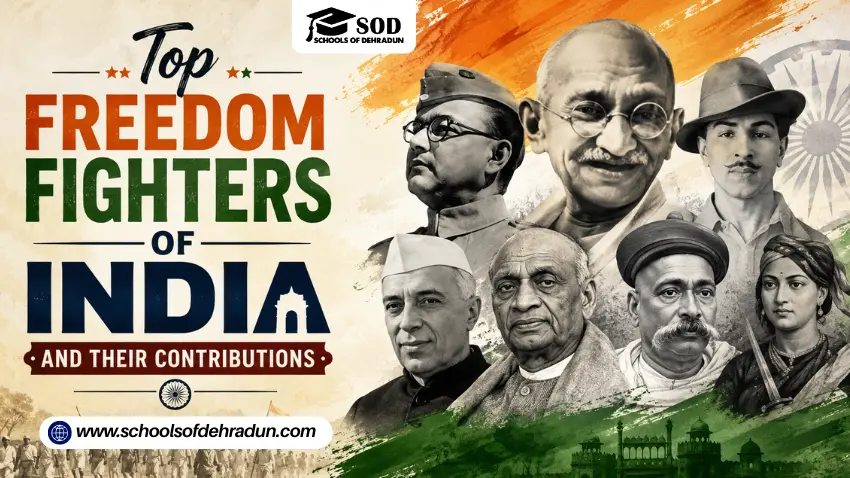
Top Freedom Fighters of India and Their Contributions
Freedom fighters in India were leaders, revolutionaries, and activists who fought against British colonial rule and helped the nation get indepedence on August 15, 1947. The freedom movement catered to a wide spectrum of ideologies, from the non-violent philosophy of Mahatma Gandhi to armed dominance. Some of the prominent names include Bhagat Singh, Mahatma Gandhi, Jawaharlal Nehru, Subhas Chandra Bose, and more.
India’s journey towards independence is well-recognized for the utmost courage, determination, and sacrifice. Many leaders and common people helped the nation to regain its freedom from British rule for decades and decades. Their contributions and efforts in the overall freedom movements helped to shape modern India. Moreover, their stories of courage, determination, and standing up for justice and freedom will continue to inspire generations. Knowing the freedom fighters of India is essential to understanding the journey of the nation to independence and the values they stood for. Let’s take a closer look at some prominent names.
List of the Top 10 Freedom Fighters of India and Their Contributions
The following table lists the top 10 freedom fighters of India with names and highlights their remarkable contributions to the freedom struggle. Schools in Dehradun and beyond often introduce these names to students to help them understand their contributions to the nation.
The following freedom fighters names are among the most respected figures in India’s independence movement and continue to inspire generations.
| Name | Role/Movement | Key Contributions |
| Mahatma Gandhi | Leader of Non-Violence Movement | Led Salt March, Non-Cooperation & Civil Disobedience |
| Jawaharlal Nehru | Political Leader | Advocated for democracy and modern India |
| Bhagat Singh | Revolutionary | Young martyr, inspired armed struggle for freedom |
| Subhas Chandra Bose | Indian National Army | Formed the INA, fought against the British with military action |
| Rani Lakshmibai | Rebel Queen | Led the 1857 revolt in Jhansi |
| Sardar Vallabhbhai Patel | Political Organizer | Organized national movements, integration of states |
| Lala Lajpat Rai | Activist | Protested the Simon Commission, inspired youth activism |
| Bal Gangadhar Tilak | Freedom Advocate | Popularized Swadeshi, education, and political awakening |
| Chandrashekhar Azad | Revolutionary | Participated in Hindustan Socialist Republican Association |
| Annie Besant | Social Reformer | Led the Home Rule Movement, education reforms |
A Detailed Overview of the Top Freedom Fighters of India
1. Mahatma Gandhi
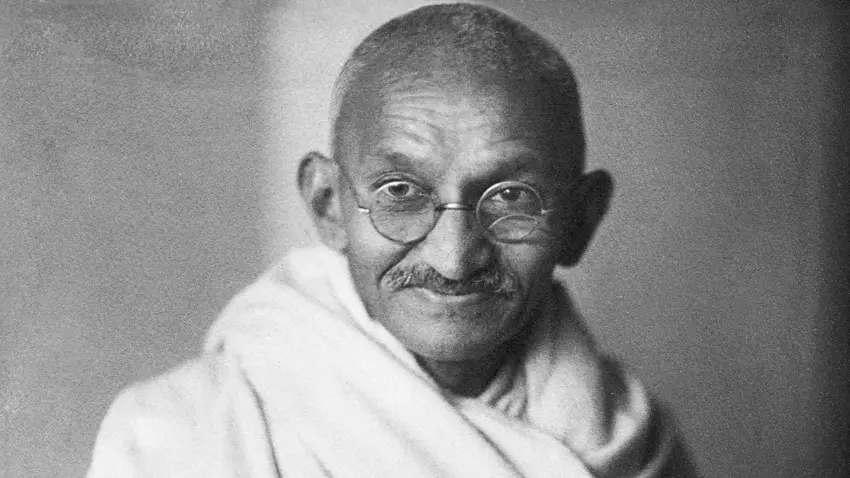
Mahatma Gandhi was the most important figure in converting the freedom struggle of India into a mass movement. In 1915, he came back from South Africa and brought with him the principles of non-violence (Ahimsa) and truth (Satyagraha) into Indian politics. Gandhi led the Champaran Satyagraha (1917), Kheda Satyagraha (1918), Non-Cooperation Movement (1920–22), Civil Disobedience Movement (1930), and Quit India Movement (1942).
One of his most famous campaigns was the Salt March in 1930, where he walked about 240 miles from Sabarmati Ashram to Dandi to protest the British salt tax. He united millions of Indians of various religions, castes, and regions under his leadership.
Key Contributions:
- Led major nationwide freedom movements
- Popularized non-violent resistance.
- Mobilized millions of Indians against British rule.
- Promoted social equality and self-reliance through the Swadeshi movement.
2. Jawaharlal Nehru
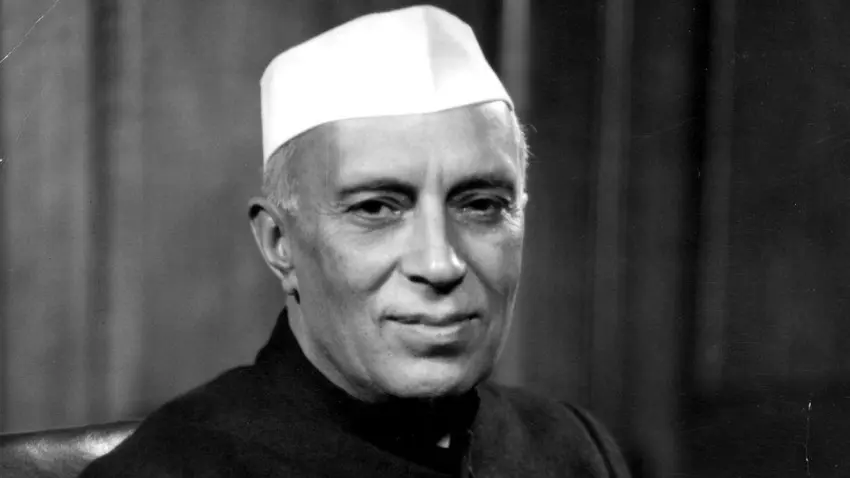
Jawaharlal Nehru played a major role in the overall freedom movement. He was a close friend of Mahatma Gandhi and joined the freedom struggle in the early 1920s. However, he was put into prison several times by the British authorities. Therefore, almost nine years of his political career were spent in jail.
He brought people’s attention to the Lahore Session of the Indian National Congress in 1929, where he demanded: “Purna Swaraj” (Complete Independence) from the British. Apart from this, he was also an active participant in key movements like the Non-Cooperation Movement, Civil Disobedience Movement, and Quit India Movement.
When India gained independence in 1947, Nehru became the first Prime Minister and served from 1947 to 1964. He was a prominent figure who helped to shape India’s democratic institutions, scientific establishments, research, higher education, and more.
3. Bhagat Singh
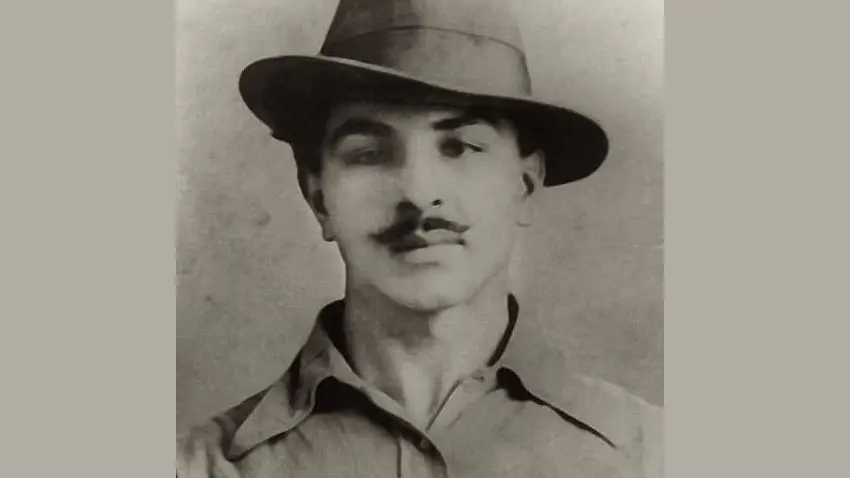
Bhagat Singh is one of the most well-recognized and celebrated freedom fighters of India. At a very young age, he was involved in revolutionary activities. He had immense aggression towards the British because of their atrocities, especially for the Jallianwala Bagh massacre.
In 1928, when he decided to take revenge for Lala Lajpat Rai, he participated in the assassination of the British police officer John Saunders. Moreover, he was also involved in throwing non-lethal bombs in the Central Legislative Assembly along with Batukeshwar in 1929. This was done to protest against the oppressive laws. Apart from this, he was also sent to prison, where he spread his revolutionary ideas.
Thus, at the age of 23, he was further executed by the British on March 23, 1931, alongside Rajguru and Sukhdev. Many schools in Dehradun and beyond tell the stories of his courage and determination to students.



4. Subhas Chandra Bose
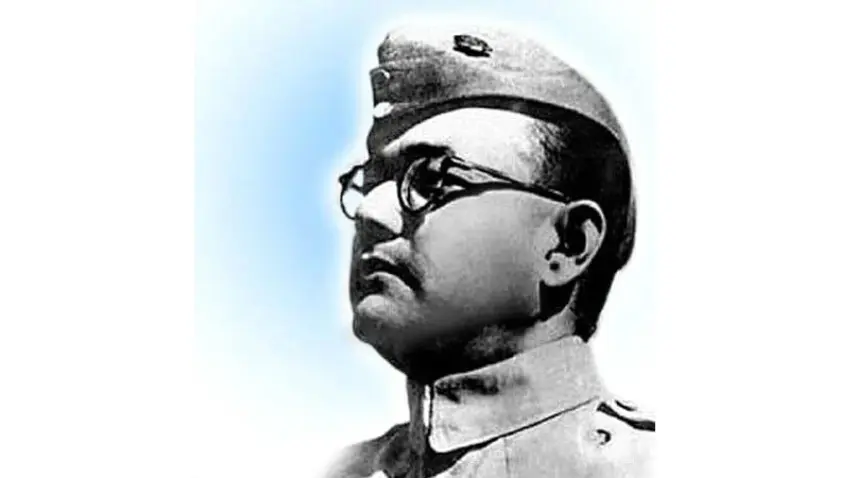
Subhas Chandra Bose believed that armed resistance was necessary to gain independence. He was facing many opinion differences with some of the Congress leaders, which led him to form the Forward Bloc in 1939 and later to organize the Indian National Army (INA) from Indian prisoners of war and expatriates in South-East Asia.
Thousands were inspired by his famous slogan, “Give me blood, and I will give you freedom.” During World War II, the INA under his command fought alongside the Japanese forces against the British. While the military campaign itself was a failure, it did much to undermine British confidence in the ability to maintain colonial rule.
Historians agree that the INA trials of 1945-46 created a huge popular following among Indians and helped Britain decide to leave India.
5. Rani Lakshmibai
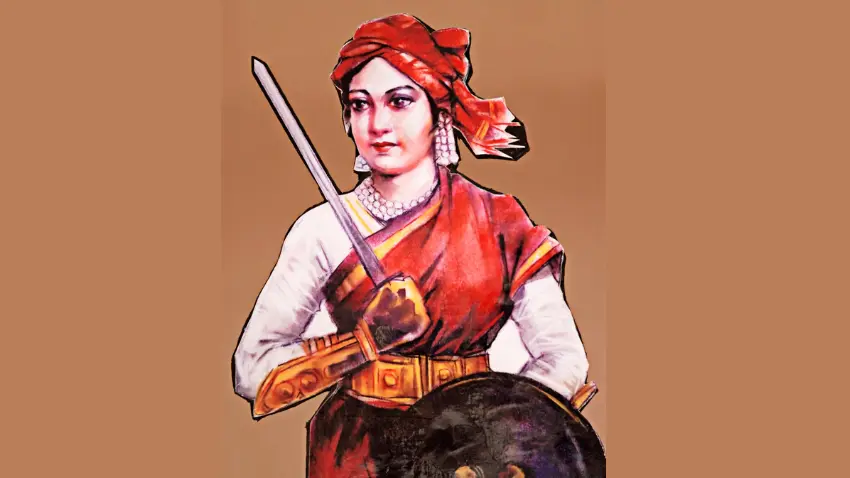
Even in 2026, many boarding schools in Dehradun and beyond are teaching students about the prominent freedom fighter Rani Lakshmibai. Among the most celebrated women freedom fighters of India, Rani Lakshmibai made a major contribution to the First War of Independence in 1857. She firmly took a stand when the British East India Company tried to annex Jhansi under the Doctrine of Lapse. She made her army to defend Jhansi, and later she joined forces with other rebel leaders.
Even though she did not have a huge force like the British, she fought bravely till her last breath in 1858. Therefore, she is known for her courage and enduring patience, making her one of the most significant freedom fighters of India.
6. Sardar Vallabhbhai Patel
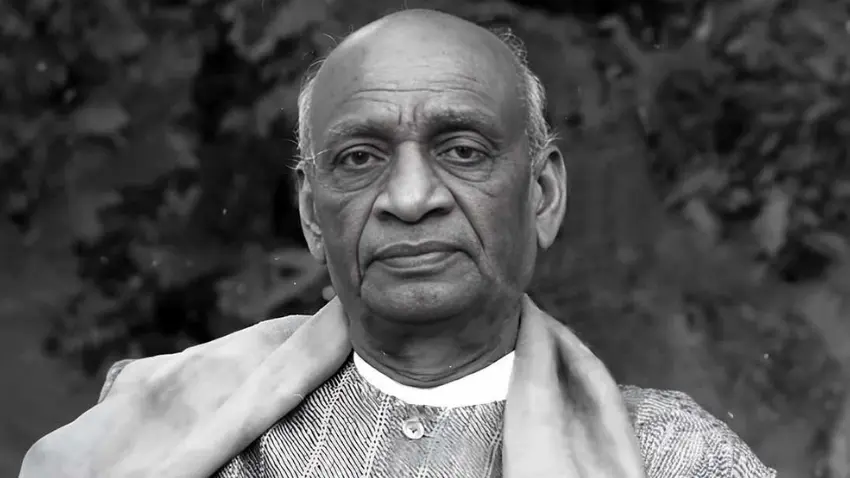
Sardar Patel was a senior Congress leader who had played a major role in organizing peasants and farmers against British policies. He led the Bardoli Satyagraha successfully in 1928 and was given the title of “Sardar”. As one of the leading freedom fighters of India, he was associated with many national movements and was imprisoned for years during the freedom struggle. However, he did not lose his courage and determination for independence. After independence, he brought together more than 560 princely states into the Indian Union, preventing the fragmentation of the country.
7. Lala Lajpat Rai
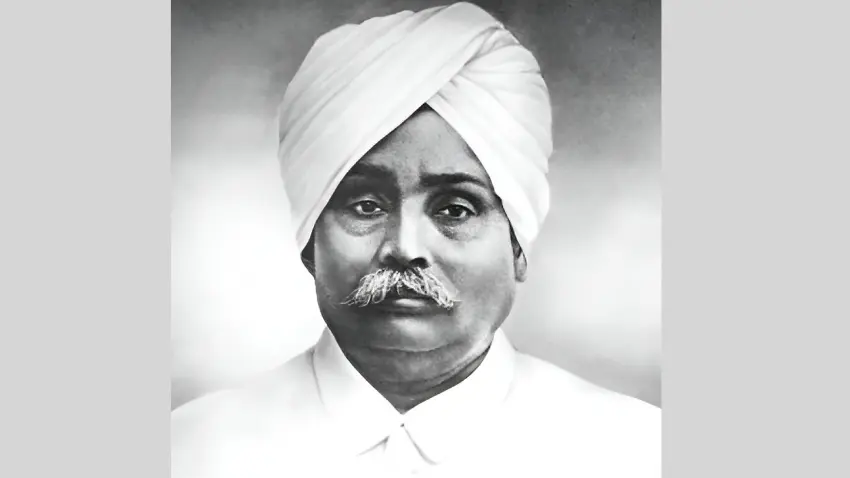
Lala Lajpat Rai was a leading nationalist leader and one of the Lal-Bal-Pal trio, also known as the “Lion of Punjab”. He was a strong opponent of British policies, and he advocated education, social reform, and political consciousness. He also led a protest against the Simon Commission in Lahore in 1928. He was seriously injured in a police lathi charge and died shortly afterwards. His death had a huge impact on revolutionaries like Bhagat Singh.
8. Bal Gangadhar Tilak
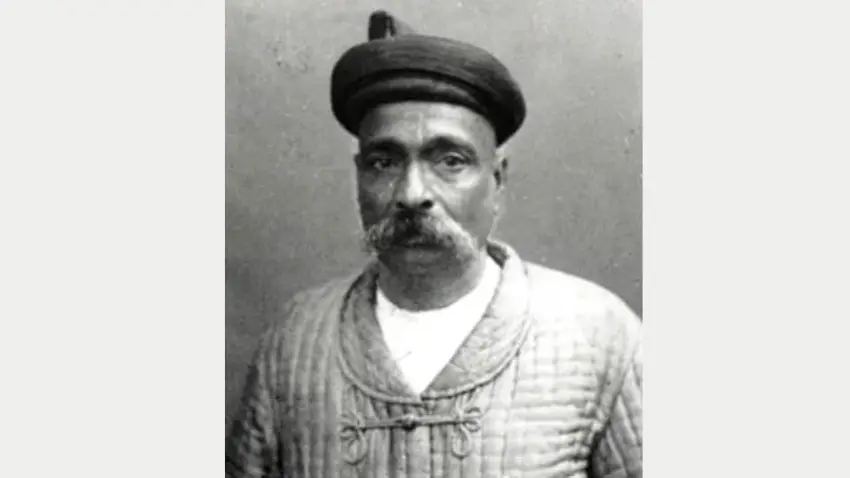
Bal Gangadhar Tilak was one of the first leaders to demand self-rule. His famous declaration, “Swaraj is my birthright, and I shall have it,” became the slogan for the nationalists.
Tilak’s newspapers, Kesari and Maratha, played an important role in building political awareness and in inspiring opposition to colonial policies. He also used public festivals such as Ganesh Chaturthi as a means of encouraging national unity. Therefore, when we talk about freedom fighters in India, his name is taken with the utmost respect till now.
9. Chandrashekhar Azad
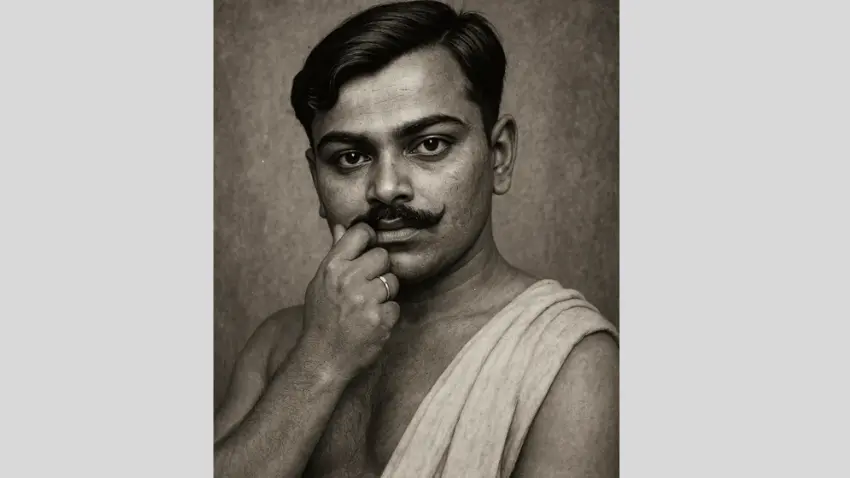
Chandrashekhar Azad was a prominent member of the Hindustan Socialist Republican Association (HSRA). He was involved in revolutionary activities to overthrow British rule. He was involved in the reorganization of the revolutionary networks after the Kakori Conspiracy case. Azad gave his word in public that he would never be captured alive. He shot himself with his last bullet in a police encounter in Allahabad in 1931 rather than surrender. These courageous acts have made him one of the leading names in freedom fighter movements.
10. Annie Besant
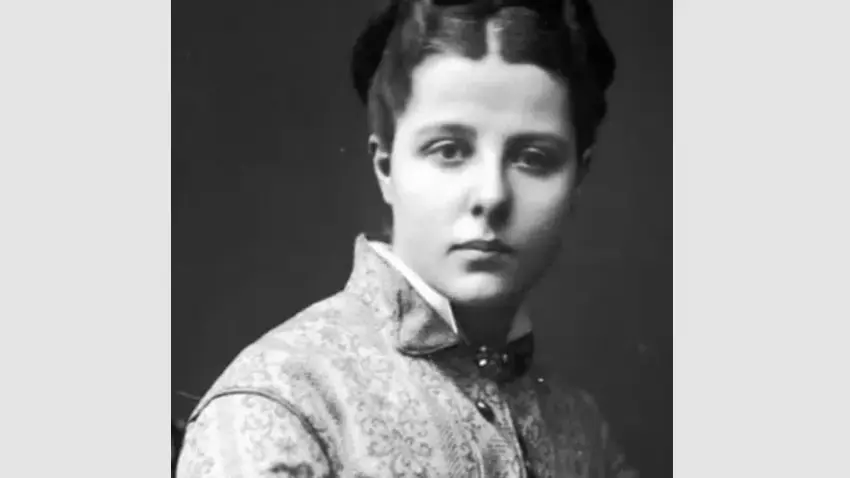
Annie Besant was an Irish-born activist who became a prominent advocate of Indian self-rule. In 1916, she started the Home Rule Movement, which demanded more political autonomy for Indians. In 1917, she became the first woman president of the Indian National Congress. She also contributed to education apart from her political activism. Thus, she helped to establish institutions that promoted modern learning.
Conclusion
The 10 freedom fighters name featured in this article represent courage, sacrifice, and patriotism. They laid down their lives to free the country from colonial rule, often at the cost of their own comfort, safety, and even life. Their struggle laid the foundation for a sovereign and democratic nation. Through learning about their courage, leadership, and sacrifices, we honour the legacy of these visionaries who shaped India’s identity.
Also Read – Hybrid Mode Meaning in Education: Everything You Need to Know