
Essential Role of Physical Education in Student Development
Physical education is one of the most awaited classes by children and adolescents. Whenever the teacher of this subject arrived at class, the room was filled with positivity and excitement. Physical education is filled with a lot of fun, games, and challenges, yet most people consider physical education just a waste of time. But here, we’ll learn about what physical education is and the importance of physical education.
What is Physical Education
Physical education is a curricular activity focused on developing physical fitness, emotional growth, mental health, and social skills of a person through sports and exercise. It is about teaching the body and mind to work together for a more active and balanced life, covering everything from strength and coordination to teamwork and discipline.
Importance of Physical Education in Schools
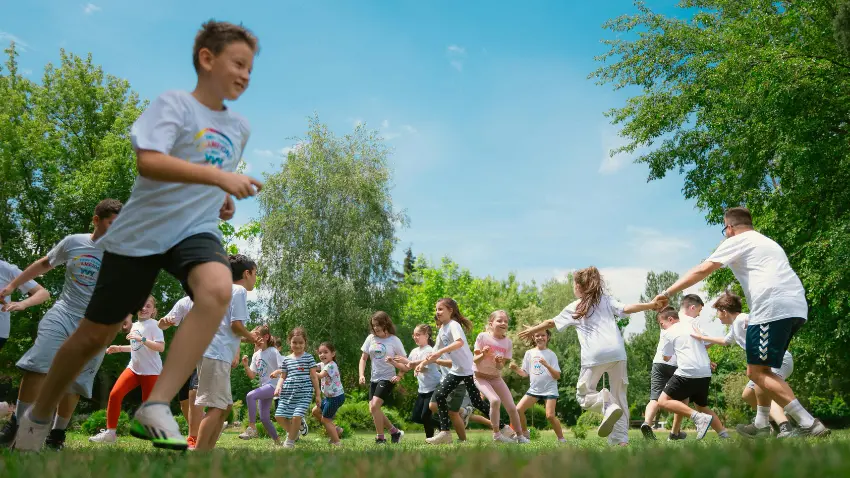
Physical education is not just a subject; it is a core subject that helps children with mental and emotional growth, physical growth, and life skills, contributing significantly to overall physical education development. It ultimately leads children to better academic performance and lifelong healthy habits for being a well-rounded and successful person. Many progressive institutions, including several boarding schools in Dehradun, emphasize physical education as a core part of student development by integrating structured sports, fitness routines, and outdoor activities into daily school life.
1. Physical Growth
Physical education boosts kids’ physical health by building strong muscles, improving heart and lung functions, maintaining weight, and reducing chronic diseases. Also, improving sleep and overall fitness for better academic focus.
2. Mental and Emotional Growth
Physical education helps reduce mental stress, boost mood, and improve memory and sleep quality. It makes students alert, focused, and ready to learn.
3. Better Academic Performance
Physical education boosts academic performance by improving focus, memory, problem-solving ability, blood flow, and stress, which helps students achieve better academic performance. Physically fit students often achieve better grades.
4. Social Skills
Social skills are the tools for effective communication and interaction. Physical education helps students to improve communication skills, teamwork, leadership quality, and discipline through games and group activities.
5. Builds Character
Physical education builds students’ character by teaching vital life skills like discipline, teamwork, resilience, fairness, and respect through group activity, games, and physical challenges.
6. Lifelong Habits
Physical education builds lifelong habits by teaching fundamental movement skills and linking physical fitness to mental well-being. It leads to habits like regular exercise, stress management, and discipline, which reduce disease risk and boost overall quality of life. It helps learning to set fitness goals and stick to a routine that builds self-control.
7. Improving Self-Confidence
Physical education boosts self-confidence by improving knowledge, social skills, and physical health; promoting positive body image; and helping to learn new skills. Learning new skills and taking part in activities builds your self-confidence. It increases energy level and contributes to a more positive outlook and belief in one’s ability to handle tasks.



Challenges of Physical Education in Indian Schools
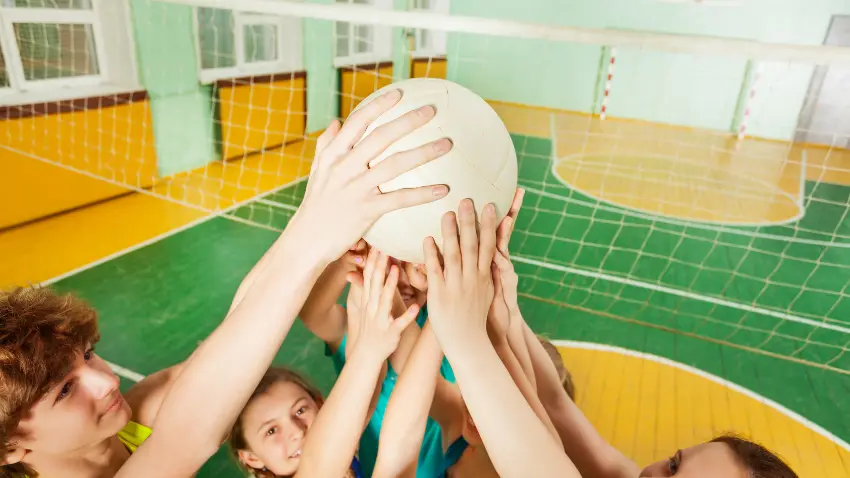
Indian schools face major PE challenges like poor infrastructure, lack of budget, less trained teachers, and less student engagement, leading to reduced class time. These reasons make PE activity more difficult, and even schools in Dehradun encounter some of these challenges despite their strong academic reputation. Let’s break down some challenges.
1. Infrastructure and Resources
In India, many schools lack proper playgrounds, courts, equipment, and facilities due to a lack of budget. That makes indoor and outdoor physical activity more difficult.
2. Shortage of trained teachers
The shortage of teachers is a global crisis due to low pay, poor working conditions, and high demand, leading to overcrowded classrooms. It disrupts students’ learning because of instability and constant changes in teachers and methods. And for those teachers who are not professional and trained, students can’t engage with them.
3. Outdated Curriculum
In India, physical education faces issues like being outdated, poor infrastructure, and a lack of trained teachers, creating a gap between theoretical importance and practical reality.
4. Parents and Student Engagements
Many parents and students might lack motivation because they think academic learning is more important than physical learning.
5. Inequality of Gender
There is deep-rooted gender inequality in India. Most people assume sport is masculine and discourage girls from taking part in sports. And the limited visibility of female athletes raises the idea that sports are not for girls, which lowers their self-confidence. And a lack of infrastructure, like separate girls’ changing rooms, makes them concerned about their safety.
6. Academic Pressure
Academic pressure is an experience where school or parents burden students to achieve a specific academic goal, leading to cutting PE time and adding more academic subjects.
7. Less Awareness
Many people are not aware of the importance of physical education; they think it is a waste of time and can affect students’ study time. Either they don’t have the knowledge or don’t know the benefits of physical education.
Solutions
Schools can execute these solutions to tackle these challenges:
- Schools can increase PE’s budget and provide infrastructure and resources, such as proper playgrounds, courts (basketball, volleyball), proper equipment, and facilities for girls. To make physical education activities more enjoyable and engaging.
- Spread awareness about the benefits of physical education, like how it improves social skills and leadership quality, and how it improves academic performance. So people can understand the importance of physical education in schools and give it a priority.
- Motivate children to take part in sports and give them guidance and support. Schools must also encourage parents to send their children to external sports clubs.
- Organize a PE training for teachers or hire a trained teacher.
- Schools should conduct some sports competitions throughout the year and encourage students to take part in them.
Conclusion
Physical education is crucial for children’s overall development, as it is beneficial not only for physical health but also for mental growth. Physical activities and games teach students important skills like teamwork, discipline, and stress management. Schools and parents should understand the importance of physical education and give it a priority. They must encourage the students to take part in physical education activities. These activities help students to learn something new every day beyond their textbooks. Today, several reputed schools of Dehradun are setting strong examples by promoting physical education alongside academics, ensuring students grow physically active, mentally strong, and socially confident.
Also Read – Effective Ways to Improve Knowledge Retention in Education