
Anger Management in Children: Simple Methods to Reduce Aggression
Just like other emotions, like happiness, fear, and surprise, anger is also a normal reaction. However, when it turns into frequent aggression and frustration, it becomes a big concern. Nowadays, not only adults, but also children are facing anger management issues. Parents and teachers need to understand the importance of child anger management and make sure they learn how to express their feelings in a healthy way.
The recent incident from Kerala, where a Class X student was charged with murder, has highlighted the need for anger management in children. Not only this case, but every few months, we hear about school fights, bullying, and other incidents involving children, especially teenagers. As a parent or a teacher, have you ever thought about the cause of these anger issues and patterns in kids?
Keep reading this blog, as it will cover some simple methods to reduce aggression in children. Parents and teachers can use these methods for kids’ growth and future success.
Why Is Anger Management in Children Important?
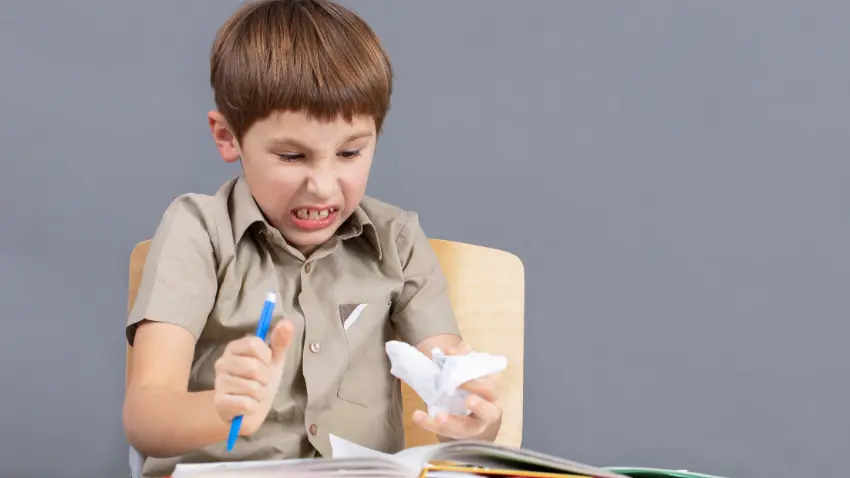
Before you understand how you can reduce aggression in your child, you must know why it is important. Many mental health experts have said that today, children face great academic pressure, emotional stress, and social conflicts. Moreover, the digital overload is another main reason for their aggression. In reputable schools across India, like, teachers help children manage their anger. They encourage them to talk with their peers, follow routines, and confidently face new challenges every day.
1. Social Development
By learning anger management, children can positively interact with others and make true friends. They can express their feelings clearly. Unclear emotions often lead to conflicts; however, by clearly expressing what they actually feel, they can form better relations with family, friends, and teachers.
2. Mental & Physical Health
Another reason that makes anger management in children important is better mental health. It is because anger is the main cause of issues, like depression and anxiety. It also helps in lowering the physical impact of stress on the body, which is an increase in blood pressure.



3. Academic & Behavioral Benefits
By managing anger, children can focus better in class and join activities with interest. Other than better academic performance, it also helps reduce problems like bullying. When children learn to manage their anger calmly, they don’t act impulsively and make better decisions.
4. Lifelong Skills
By learning anger management skills early, children can easily form true relationships and calmly face everyday challenges. The child anger management methods teach children how to understand and manage their feelings. In adulthood, they tend to face many problems in personal and professional life, and these skills ensure that those challenges don’t limit their growth.
6 Simple Methods for Anger Management in Children
Now that you know why teaching kids to manage anger is important, it is time to discuss the methods that can help. The 6 methods that we’ll discuss below are used by top schools of Dehradun, Delhi, Bangalore, and other modern cities across India. Here are the ways that can help children learn how to control emotions, reduce aggression, and develop better behavior:
1. Deep Breathing Exercises
You can teach your child how to take slow and deep breaths. By encouraging them to practice deep breathing exercises daily, you can reduce their aggression. You must practice it together with your child; it will make them feel more comfortable and excited to learn. Parents can tell that when their child feels upset, they should slowly take deep breaths. This will lower their anger, as they will think first instead of acting impulsively.
2. Educate Your Child About Emotions
Another simple method is to help your child learn about different emotions. Unlike adults, kids struggle to identify and name their feelings. So, parents must teach them about the emotions that they feel while doing or experiencing different things. Parents should also tell their little ones that it is okay to be angry, but they must express it in a healthy way. You can tell your children that instead of hitting or using bad words, they can talk about what upset them.
3. Create a Screen-Time Schedule
Parents should set clear and consistent limits on screen time for their children. You must explain to your children the reason why reducing screen use is important. When their screen time is ending, give your child a 15-minute and then a 5-minute warning. This will help them prepare and understand you’re serious about the rules. When their screen time is suddenly interrupted, they can act more aggressively. So, parents must ensure that they are consistent in enforcing them.
4. Mindful Distraction
When your children feel upset, you should try some positive things to distract them. For example, you can tell your little one a joke, show a funny video, or give them a stress ball. Parents should encourage their kids to engage in calming activities, like drawing, coloring, and yoga. These activities can lower their stress and anxiety that are linked with aggression. Another mindful distraction can be a calm-down space. Parents can create a quiet space with calming items where children can sit and calm their emotions without hurting anyone or damaging things.
5. Encourage Communication
Another simple child anger management method is listening to your child. You must never overreact and show them that you value their emotions. You can say something positive like, ‘I see you’re feeling very angry, let’s talk about what you’re upset about. When you ask your children what upset them, you should wait for them to finish. After that, you can tell them what they can do to handle this problem and any similar issues next time. This will help your child learn that disagreements can be quickly resolved with words instead of actions.
6. Encourage Physical Activity
The simple method to reduce aggression is to provide an outlet to release their excess energy. Parents can encourage their children to engage in sports or something simple like kicking a ball or running outside. For some kids, physical release is a necessary step before they can talk about why they feel so angry. So, parents must make sure they provide safe outlets for physically expressing their anger. This will release their stress before it turns into a serious, aggressive behavior.
When to Seek Professional Help
Sometimes a child’s anger is not like normal childhood behavior. In such cases, parents need to get help from professionals, like mental health experts. When parents notice that their children’s anger is frequent and intense and greatly affects their daily life at home and school, they must seek guidance. Top boarding schools in Dehradun, Delhi, and other major educational hubs across India advise parents to contact an experienced professional. Therapists, counselors, and child psychologists can help parents by identifying the main reasons that lead to physical aggression, self-harm, and other serious issues.
Supporting Kids Through Better Child Anger Management
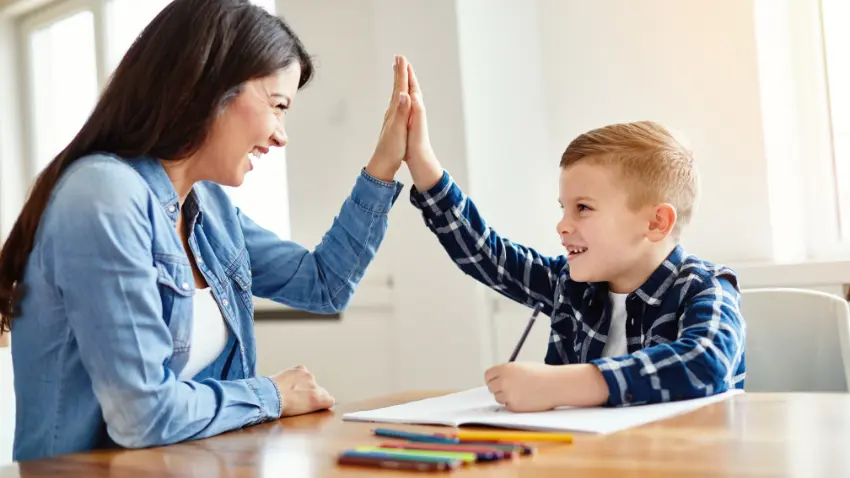
Parents and teachers need to focus on helping children manage their anger issues. The above methods for anger management in children can help them reduce their aggressive behavior. By getting the right support at home and school, kids can learn to express their feelings and emotions clearly. Parents often don’t realize how important it is to teach their children that talking about worries and difficult moments can help their problems feel smaller.
Many schools of Dehradun and other leading educational hubs in India are helping children learn emotional control. Trained teachers in top schools are teaching children how they can understand their feelings and manage frustration. Teachers are also guiding parents with simple ways they can apply at home to develop positive behavioral patterns. Parents and teachers need to work together to help every child learn to grow into an emotionally strong individual.
Also Read – Developing Character: Role of Boarding Schools in Character Building